


Saudi Arabia’s flagship ecotourism initiative, Al-Urumah Season, has concluded its fifth edition after attracting more than 800,000 visitors over six months, underscoring the Kingdom’s growing appetite for nature-based tourism and conservation-focused travel.
The Imam Abdulaziz bin Mohammed Royal Reserve Development Authority said the season, held across the Imam Abdulaziz bin Mohammed Royal Reserve and the King Khalid Royal Reserve northeast of Riyadh, drew visitors from within the Kingdom and abroad while generating jobs, supporting local communities and strengthening environmental awareness.
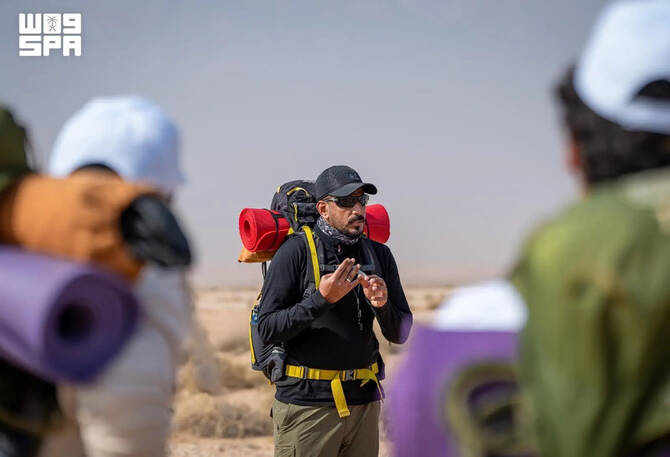
According to the authority, 14 tourism service providers participated in this year’s season, offering 14 activities ranging from hiking and cycling to horseback riding, camel trekking, stargazing and guided exploration trips. The season also created around 84 jobs and contributed to the growth of ecotourism-related industries in surrounding communities.

The latest figures mean that nearly two million people have now visited Al-Urumah Season since its launch five years ago, a remarkable rise for an initiative that began as a niche outdoor tourism project and has evolved into one of Saudi Arabia’s leading ecotourism destinations.
Named after the Al-Urumah mountain range, a 700-kilometer natural landmark stretching east of Riyadh, the season is distinct from the Kingdom’s urban entertainment festivals. Instead, it focuses on connecting visitors with Saudi Arabia’s natural landscapes, biodiversity and cultural heritage through sustainable tourism experiences.
The event is staged during the cooler months of autumn, winter and spring, when moderate temperatures make outdoor activities more accessible. Organizers say the timing has helped establish Al-Urumah as a preferred destination for nature enthusiasts, adventure travelers and families seeking alternatives to traditional tourism offerings.
The season is centered on two of Saudi Arabia’s most important protected areas. The 11,300-square-kilometer Imam Abdulaziz bin Mohammed Royal Reserve encompasses parts of the Dahna Desert and renowned green areas such as Rawdat Khuraim, while the neighboring King Khalid Royal Reserve is known for its dramatic desert-and-mountain landscapes, archaeological sites, ancient rock art and wildlife, including Arabian oryx and gazelles.

The authority says the initiative reflects broader efforts under Saudi Vision 2030 to diversify the economy, expand tourism offerings and promote environmental sustainability. Over the years, infrastructure improvements, eco-lodging facilities, private-sector participation and community engagement programs have helped fuel steady growth in visitor numbers.
The first Al-Urumah Season welcomed about 52,000 visitors. Attendance rose to roughly 230,000 in the second edition, surpassed 300,000 in the third and exceeded 400,000 in the fourth before reaching the latest milestone.
Officials have already announced plans for a sixth edition next November, with new programs aimed at enhancing sustainability, increasing community participation and showcasing the natural and cultural heritage of the two royal reserves.
As Saudi Arabia expands its tourism sector beyond cities and heritage sites, Al-Urumah Season is emerging as a showcase for a different side of the Kingdom — one defined by open landscapes, wildlife conservation and a growing culture of responsible outdoor recreation.